 Canvers Media
What Actually Makes a Website Look Professional
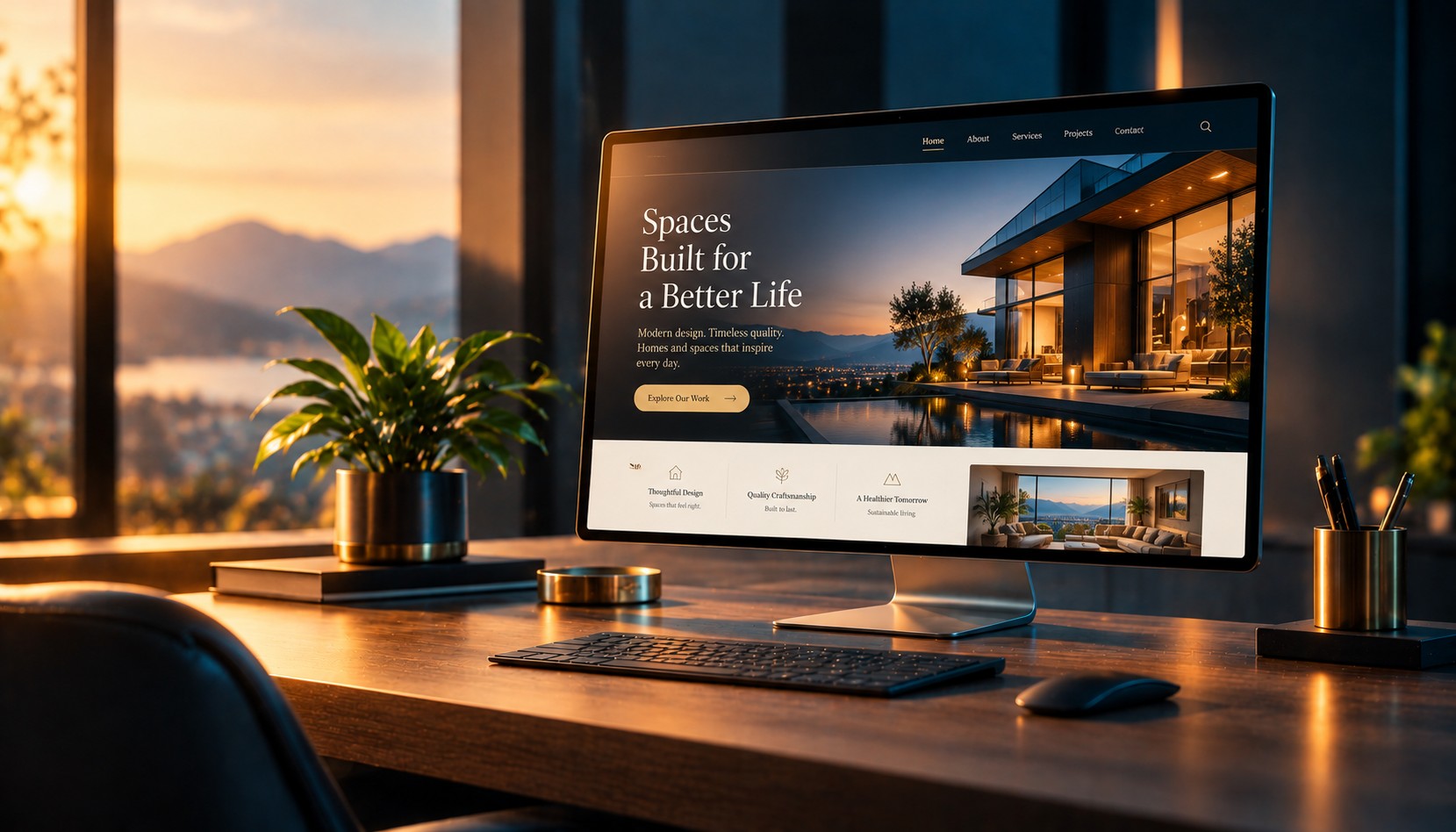
A visitor forms an opinion about a business within a few seconds of landing on its website, and that opinion is almost never based on the technology behind the site. It is based on small, visible details that either feel careful or feel rushed.
The Seconds That Decide Trust
Before anyone reads a word of your copy, they are already reacting to the layout, the colors, and whether things line up the way they expect. A clean, well-organized page signals that the business behind it is organized too. A cramped or inconsistent one raises doubt, even if the product or service is excellent. This is why a thoughtful website design matters more than most owners assume, it is doing reputational work before a single sentence is read.
Small Details That Give It Away
Most unprofessional-looking sites are not badly designed on purpose, they just accumulated small inconsistencies over time. These are the details that visitors notice even if they cannot name them.
- Fonts and button styles that change from page to page
- A logo that looks blurry or stretched next to crisp photos
- Real photos mixed with obviously generic stock images
- A copyright year in the footer that is several years old
- Spacing that feels tight in some sections and loose in others
Consistency Beats Decoration
Owners often assume professionalism means adding more, more animation, more color, more features. In practice it usually means the opposite: the same spacing rules, the same two or three fonts, and the same button style used everywhere on the site. This kind of consistency is easier to maintain when the underlying platform supports it well, which is part of why choosing the right foundation, whether Wix, WordPress, or a custom build, matters. A site built on a flexible, well-maintained platform tends to stay visually consistent as pages get added over time, while one patched together page by page tends to drift.
Fixing It Without a Full Redesign
A full redesign is rarely necessary to fix this. Most of the time, a focused pass through the existing site, replacing a handful of stock photos, unifying fonts and buttons, updating the footer, and tightening spacing, closes most of the gap. If the underlying structure is sound, this kind of cleanup can usually be scoped as a smaller project rather than a full rebuild, which is worth checking against the plans available before assuming a redesign is the only option.
Professional does not mean expensive or elaborate. It means the small things are handled with care, consistently, across every page a visitor sees.
Related articles
 Web
WebMaking Your Website Work Like a Customer Engine
Turn a passive small business website into a system that actively brings in leads — one clear action per page, real trust signals, and friction removed at the moment someone is ready to act.
Read → Web
WebSite Speed and Core Web Vitals for Small Business Websites
Why a slow website costs small businesses customers, and what Core Web Vitals actually means for your site in practical terms.
Read → Social
One Video, Three Feeds: A Short-Form Video Strategy for Reels, TikTok and Shorts
A practical short-form video strategy for Reels, TikTok and Shorts: shoot once, edit three ways, and post on a rhythm you can actually keep.
Read →