 Canvers Media
When to White-Label Instead of Hiring Your Next Employee
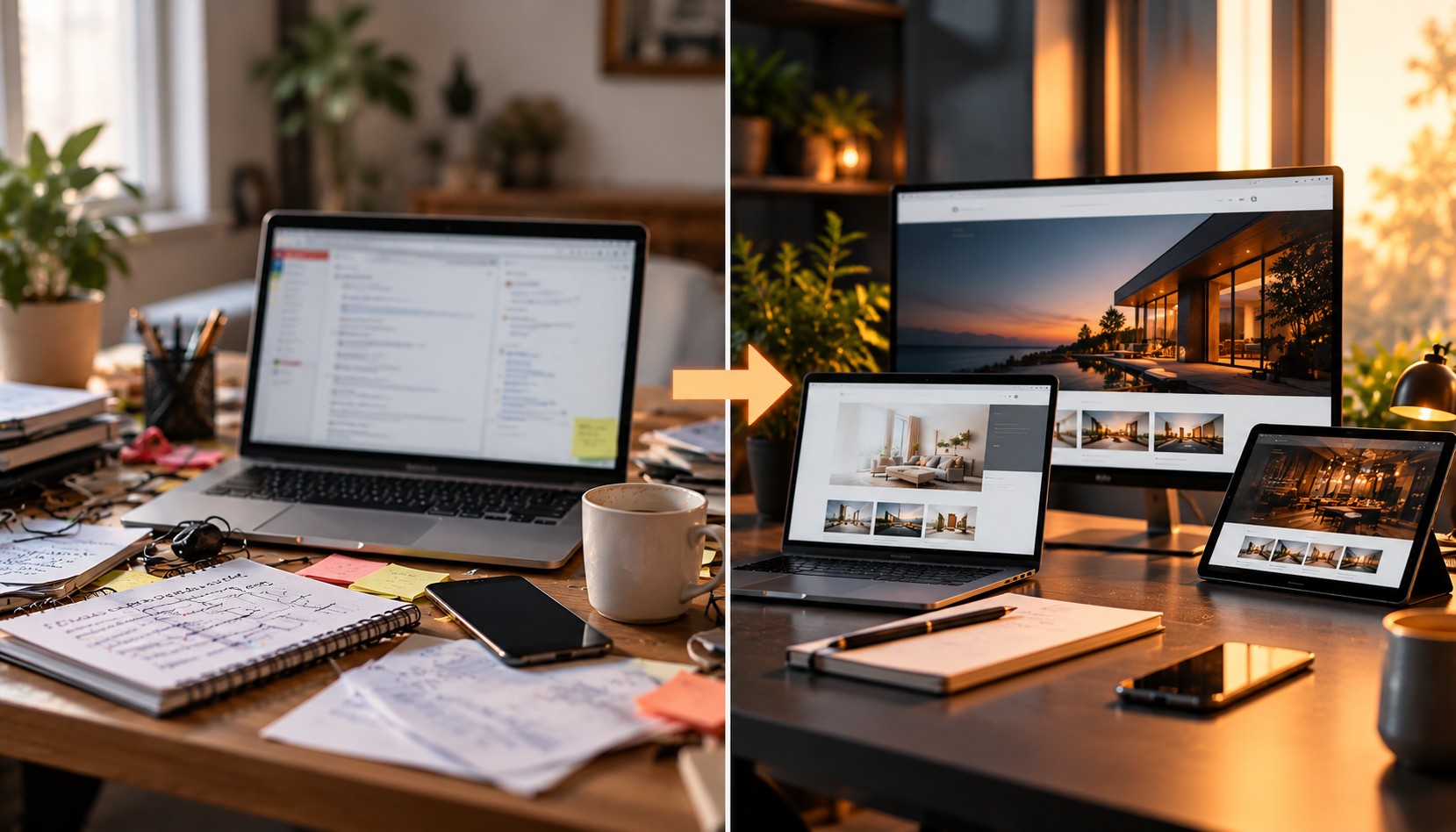
A freelance web designer loses more clients to 'I can't do that' than to bad work. A client who needs ongoing SEO, a Shopify migration, or monthly ad management will go find someone who offers it all, even if your design work was excellent.
The Wall Every Freelancer Hits
As a freelance business or small agency grows, the requests start outpacing the skillset. One month it's a quick WordPress fix, the next it's a Shopify build, then someone asks why their Google Business Profile isn't showing up in search. Hiring full-time for every skill isn't realistic at a small scale, and turning away work quietly trains your best clients to look elsewhere.
What White-Label Actually Means
In a white-label setup, another team does the actual work, design, development, SEO, Shopify builds, behind the scenes, under your name and inside your client relationship. The client never knows another company touched the project. This is different from referring clients elsewhere; you stay the point of contact, you set the price, and the partner stays invisible. A good white-label partnership should feel like an extension of your own team, not a hand-off, and you can see what that looks like in practice through affordable website design.
Before You Sign With a Partner
Not every white-label shop deserves access to your client list. Before handing off a project, get clear answers on these points:
- Who owns the client relationship and the data if the partnership ends
- How fast they turn around revisions, and in what time zone they work
- Whether their work actually fits the platform your client needs, the kind of decision covered in choosing between Wix, WordPress or a custom site
- What happens if the client finds out, and whether your contract even allows white-label work
When It Pays Off
White-label only makes sense once demand outpaces your hours, not before. Check plans and pricing upfront so you know exactly what margin stays with you after the partner is paid. Canvers runs this exact model for other agencies and freelancers, doing the work quietly in the background so the agency's own name stays in front of the client from the first email to the final delivery.
Related articles
 Strategy
Building a Strong Online Presence for a Persian-Owned Business
How Persian-owned businesses in North America can build a trustworthy, consistent online presence across their website, Google, and social media.
Read → Content
One Piece of Content, A Week of Posts
Stop hunting for new content daily. Learn how one video or photo shoot can become a full week of social posts, without feeling repetitive.
Read → Web
What Actually Makes a Website Look Professional
It is rarely about a bigger budget. Here is what actually signals professionalism to a visitor in the first few seconds on your site.
Read →